ULTIMATE PACK


- 5.0
- 28 Reviews
99% of buyers have recommended this.
900,00 $ Original price was: 900,00 $.349,99 $Current price is: 349,99 $.
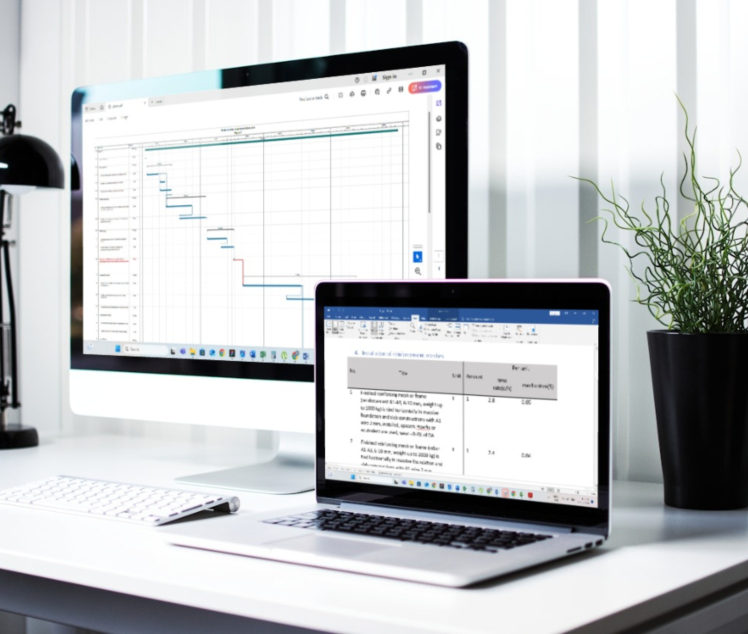
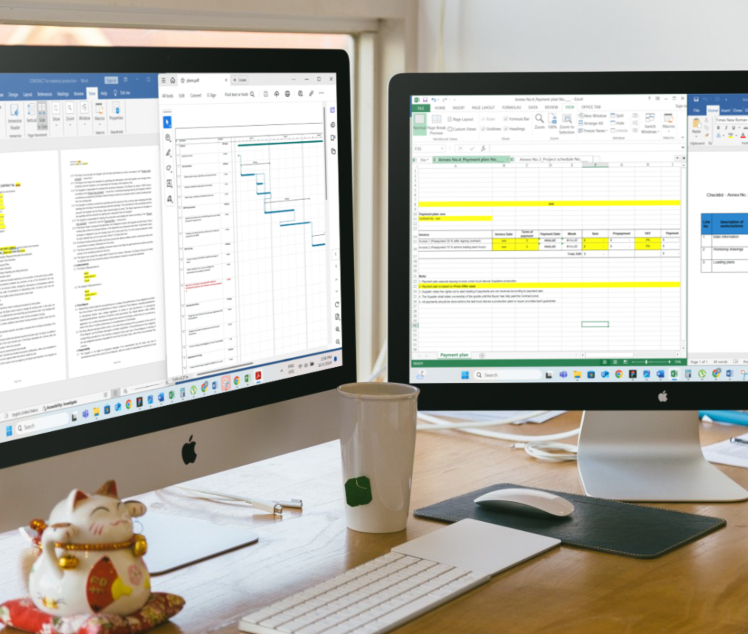
The Ultimate Pack is a comprehensive toolkit designed to streamline every aspect of project execution. It includes essential guides for Project Management, Time Management, Scope Management, and Budget Management, alongside practical templates like a Finance Report, Meeting Minutes, and a Projects Diary. Enhance efficiency with tools such as Supplier Evaluation Templates, Production and Assembly Contract Drafts, and Construction Work Time Norms. Additionally, gain insights with guides on Leadership and Construction Technologies, ensuring success from planning to delivery. Perfect for professionals seeking organization and control over every project phase!
Guide for Project Management
- Introduction
- Importance of Effective Project Management in Building Projects
- Chapter 1: Understanding Building Projects
- Definition and Types of Building Projects
- Key Stakeholders and Their Roles
- Common Challenges and How to Overcome Them
- Chapter 2: Project Planning
- Defining Project Scope and Objectives
- Detailed Project Planning Steps
- Creating a Project Plan and Timeline
- Work Breakdown Structure (WBS)
- Gantt Charts
- Tools and Software for Project Planning
- Chapter 3: Budgeting
- Importance of a Detailed Budget
- Estimating Costs
- Labor Costs
- Material Costs
- Equipment Costs
- Miscellaneous Costs
- Creating and Managing a Budget
- Cost Control Techniques
- Case Study: Successful Budget Management
- Chapter 4: Scheduling
- Developing a Project Schedule
- Understanding Milestones and Deadlines
- Managing Time and Resources
- Handling Delays and Schedule Changes
- Tools for Scheduling and Time Management
- Case Study: Effective Scheduling in a Building Project
- Chapter 5: Contractor Selection
- How to Find and Evaluate Contractors
- Important Questions to Ask Potential Contractors
- Contract Negotiation Tips
- Creating a Contractor Agreement
- Managing Contractor Relationships
- Case Study: Successful Contractor Management
- Chapter 6: Quality Control
- Setting Quality Standards
- Chapter 7: Risk Management
- Identifying Potential Risks
- Creating a Risk Management Plan
- Risk Mitigation Strategies
- Case Study: Risk Management in Action
- Chapter 8: Project Documentation
- Importance of Documentation
- Types of Documents to Maintain
- Contracts
- Permits and Licenses
- Inspection Reports
- Change Orders
- Communication Logs
- Tips for Effective Documentation
- Case Study: Documentation Best Practices
- Chapter 9: Project Closeout
- Final Inspections and Punch Lists
- Completing Project Documentation
- Ensuring Client Satisfaction
- Lessons Learned and Project Review
- Case Study: Successful Project Closeout
- Chapter 10: Tools and Resources
- Recommended Software and Tools
- Project Management Software
- Budgeting Tools
- Scheduling Software
- Quality Control Tools
- Templates and Checklists (with links to downloadable resources)
- Final Thoughts on Building Project Management
Time Management
- Introduction
- Overview of Time Management in Construction
- Purpose and Scope of the Guidebook
- Chapter 1: Understanding Construction Project Management
- The Construction Project Lifecycle
- Roles and Responsibilities
- Key Components of Project Management
- Chapter 2: Fundamentals of Time Management
- Defining Time Management
- Time Management Techniques
- Common Time Wasters and Solutions
- Chapter 3: Project Planning and Scheduling
- Project Planning Basics
- Creating a Project Schedule
- Tools and Software for Scheduling
- Chapter 4: Time Management Tools and Techniques
- Time Management Tools
- Techniques for Effective Time Management
- Implementing Tools and Techniques on Construction Sites
- Chapter 5: Resource Management and Allocation
- Understanding Resource Management
- Resource Allocation Strategies
- Balancing Time and Resources
- Chapter 6: Risk Management and Contingency Planning
- Identifying and Assessing Risks
- Developing a Risk Management Plan
- Implementing and Monitoring Risk Management
- Lessons Learned
- Chapter 7: Communication and Collaboration
- Importance of Communication in Time Management
- Collaboration Tools and Techniques
- Handling Conflicts and Issues
- Chapter 8: Monitoring and Controlling Project Progress
- Monitoring Techniques
- Controlling Project Schedule
- Adjusting and Re-baselining Schedules
- Chapter 9: Case Studies and Real-World Examples
- Successful Projects and Best Practices
- Challenges and Failures
- Innovations and Future Trends
- Future Outlook for Time Management in Construction
- Conclusion
- Summary of Key Points
- Final Thoughts
- Additional Resources
Scope Management
- Introduction
- Importance of Scope Management in Construction
- Purpose of the Guide
- How to Use This Guide
- Chapter 1: Fundamentals of Scope Management
- Definition and Concepts
- Key Elements of Scope Management
- Benefits of Effective Scope Management
- Detailed Processes in Scope Management
- Implementing Scope Management in Construction Projects
- Chapter 2: Project Initiation and Scope Planning
- Initiation Phase Overview
- Identifying Stakeholders
- Defining Project Objectives and Goals
- Developing a Project Charter
- Chapter 3: Scope Definition
- Techniques for Defining Scope
- Creating a Detailed Project Scope Statement
- Work Breakdown Structure (WBS)
- Scope Baseline
- Chapter 4: Scope Documentation
- Writing Effective Scope Documents
- Components of Scope Documentation
- Utilizing Templates and Tools
- Developing a Scope Management Plan
- Communicating Scope Information
- Training and Support
- Chapter 5: Scope Validation
- Scope Validation Processes
- Techniques for Validating Scope
- Managing Stakeholder Expectations
- Chapter 6: Scope Control
- Monitoring and Controlling Scope
- Change Control Processes
- Handling Scope Creep
- Tools for Scope Control
- Chapter 7: Integrating Scope with Other Project Elements
- Scope and Time Management
- Scope and Cost Management
- Scope and Quality Management
- Scope and Risk Management
- Chapter 8: Case Studies
- Successful Scope Management Examples
- Case Study 1: The Burj Khalifa, Dubai
- Case Study 2: The London 2012 Olympics
- Lessons Learned from Scope Management Failures
- Case Study 3: The Denver International Airport (DIA)
- Case Study 4: The Sydney Opera House
- Lessons Learned from Successful Projects
- Lessons Learned from Failed Projects
- Chapter 9: Advanced Scope Management Techniques
- Agile Methodologies in Construction
- Use of BIM (Building Information Modeling)
- Integrated Project Delivery (IPD)
- Chapter 10: Tools and Software for Scope Management
- Overview of Popular Tools
- Selecting the Right Tool for Your Project
- Implementing Software Solutions
- Chapter 11: Training and Development
- Importance of Training in Scope Management
- Developing a Training Plan
- Resources for Continuous Learning
- Chapter 12: Future Trends in Scope Management
- Emerging Trends and Technologies
- Future Challenges and Opportunities
- Conclusion
- Recap of Key Points
- Final Thoughts on Scope Management
Cost Management
- Importance of Cost Management in Construction
- Overview of the Construction Industry
- Understanding Cost Management
- Key Components of Cost Management
- Benefits of Effective Cost Management
- Cost Estimation
- Importance of Accurate Cost Estimation
- Types of Cost Estimates
- Methods of Cost Estimation
- Tools and Techniques for Cost Estimation
- Common Challenges in Cost Estimation
- Budgeting
- Creating a Project Budget
- Elements of a Construction Budget
- Techniques for Budgeting
- Monitoring Actual Expenditures
- Communicating Budget Status
- Cost Control
- Principles of Cost Control
- Cost Control Methods and Techniques
- Monitoring Project Costs
- Identifying and Managing Cost Variances
- Tools for Cost Control
- Financial Management
- Financial Planning in Construction Projects
- Funding Sources and Financing Options
- Cash Flow Management
- Financial Reporting and Analysis
- Risk Management in Cost Control
- Identifying Cost Risks
- Risk Assessment Techniques
- Mitigating Cost Risks
- Contingency Planning
- Procurement Management
- Procurement Planning
- Contract Types and Cost Implications
- Supplier Selection and Management
- Managing Procurement Costs
- Resource Management
- Labor Costs Management
- Material Costs Management
- Equipment Costs Management
- Subcontractor Costs Management
- Technology and Tools for Cost Management
- Software Solutions for Cost Management
- Digital Tools for Estimation and Budgeting
- Data Analytics and Cost Forecasting
- Case Studies and Best Practices
- Successful Cost Management Case Studies
- Lessons Learned from Cost Overruns
- Best Practices in Cost Management
- Legal and Regulatory Considerations
- Legal Aspects of Cost Management
- Regulatory Requirements in Construction
- Compliance and Reporting
- Sustainability and Cost Management
- Sustainable Construction Practices
- Cost Implications of Green Building
- Long-term Cost Benefits of Sustainability
- Training and Development
- Skills Required for Effective Cost Management
- Training Programs and Certifications
- Continuous Improvement in Cost Management
- Conclusion
- Recap of Key Points
- Future Trends in Cost Management
- Final Thoughts
Finance Report Template
File contains two sheets:
Project finance report (example) – Example report, contains sample data to demonstrate the use of the finance report.
Project finance report template – Template for creating similar reports, providing a standardized format for data entry and analysis.
Production Contract draft
- Contract draft template content:
- Scope of the Contract
- Offer and Contract conclusion
- Contact persons
- Force Majeure
- Responsibility
- Price and Terms of Payment
- Warranty
Other stipulations
- Annexes draft templates:
- Payment Plan – Annex No.2;
- Annex No.2 – Checklist: Required information for production,
- Annex No.3 – Project Time Schedule,
- Annex No.4 – Payment Plan,
- Annex No.5 – Quality Standard,
- Annex No.6 – Product Handling and Lifting Instruction,
Annex No.7 – Deviation report.
Assembly/Design Contract draft
- Contract draft template content:
- Scope of the Contract
- Offer and Contract conclusion
- Things provided by the Customer
- Payment for alterations and additions
- Responsibility
- Price and Terms of Payment
- Warranty
- Force Majeure
Other stipulations
- Annexes draft templates:
- Annex No.1 – Price Offer;
- Annex No.2 – Design input data and design schedule;
- Annex No.3 – Project Time Schedule,
- Annex No.4 – Payment Plan,
- Annex No.5 – Quality Standard,
- Annex No.6 – Product Handling and Lifting Instruction,
- Annex No.7 – Deviation report,
Assembly Contract draft
- Contract draft template content:
- Scope Of The Contract
- Execution
- Organization
- Times
- Responsibility
- Economy
- Inspection And Taking Over
- Cancellation Of Contract
- Confidentiality
Settlement Of Disputes
- Annexes draft templates:
- Payment Plan – Annex No.2;
- Contractor’s provided equipment and materials list – Annex No.3;
- Deviation Report – Annex No.7;
- The Subcontractor`s price offer – Annex No.8;
- Assembly plans
Construction work Time Norms
- Concrete and Precast Reinforced Concrete Works
- Manufacture, installation and dismantling of wooden formwork
- Installation and dismantling of inventory templates
- Preparation of reinforcement
- Installation of reinforcement meshes
- Installation of reinforcement meshes, walling by hand at the construction site
- Mortar preparation at the construction site
- Concreting works
- Concreting of columns
- Foundation beams, lattice windows
- Concreting of walls
- Concreting of the cover
- Stairs and platforms
- Concrete cutting
- Concrete floors
- Epoxy floor application
- Precast reinforced concrete works
- Installation of reinforced concrete partitions
- Internal Finishing Works
- Mortar preparation
- Cement, cement-lime mortar plasters
- Puttying of surfaces
- Surface priming and painting
- Wall tiling works
- Applying wallpaper
- Formations and their processing
- Special surface treatment
- Soft floor coverings
- Insulation Works
- Thermal insulation and hydroisolation of trees
- Roof insulation installation works
- Thermal insulation of external walls
- Thermal insulation of pipelines
Guide for Leadership
- Introduction
- The Importance of Leadership in Modern Organizations
- Understanding Leadership
- What is Leadership?
- Why Leadership Matters
- Types of Leadership Styles
- Building Core Leadership Skills
- Effective Communication
- Emotional Intelligence (EI)
- Decision-Making
- Conflict Resolution
- Leading and Inspiring Teams
- Building High-Performing Teams
- Motivating and Empowering Others
- Setting Clear Goals and Expectations
- Overcoming Challenges as a Leader
- Leading Through Change
- Handling Failure and Criticism
- Maintaining Resilience
- Leadership in Action
- Case Studies of Great Leaders
- Practical Leadership Exercises
- Future of Leadership
- Adapting to Emerging Trends
- Sustainable and Ethical Leadership
- Conclusion
- The Journey of Continuous Growth
- Bonus Resources
- Self-Assessment Tools
- Recommended Books, Podcasts, and Tools
Construction Technologies
- Introduction to Construction Technologies
- Overview of Construction Technologies
- Importance of Construction Technology in the US Market
- Building Design and Specifications
- Building Design and Architectural Description
- Building Specifications
- Floor Plans
- Structural Solutions
- Foundation Systems
- Types of Foundations
- Construction Techniques
- Advanced Foundation Techniques
- Building Components
- Floors
- Walls
- Roofs
- Windows and Doors
- Stairs
- Mechanical, Electrical, and Plumbing (MEP) Systems
- Water Supply
- Sewage Systems
- Lighting
- Heating and Cooling Systems
- Electrical Systems
- Telecommunications
- Security Systems
- Construction Technologies and Methods
- Project Organization
- Safety Regulations and Occupational Health
- Environmental Protection
- Construction Processes
- Preparation Works
- Excavation Works
- Installation of External Utilities
- Concreting Works
- Quality Control in Concreting
- Masonry Works
- Quality Control and Safety in Masonry
- Assembly Works
- Quality Control and Safety in Assembly
- Carpentry and Roofing Works
- Insulation Works
- Quality Control in Insulation
- Finishing Works
- Quality Control in Finishing
- Internal Utility Installation
- Site Improvement Works
- Construction Machinery and Materials
- Types of Construction Machinery
- Commonly Used Construction Materials
- Sustainable Construction Materials
- Case Studies
- One World Trade Center, New York City
- Salesforce Tower, San Francisco
- Apple Park, Cupertino
- The Broad Museum, Los Angeles
- Lessons Learned and Best Practices
- Future Trends in Construction Technologies
- Innovations and Emerging Technologies
- Sustainable Construction Practices
- Conclusion
Meeting Minutes Template
The meeting minutes template is a structured document for recording project-related meetings. It includes:
- General Info: Project name, number, topic, date, time, place, and secretary.
- Attendees: Table for names, roles, contact info, and attendance.
- Agenda: Space to list discussion items.
- Minutes: Sections to detail decisions, actions, responsible persons, and deadlines.
- Next Meeting: Fields for scheduling date, time, and location.
- Signatures: Participant names, signatures, and dates for confirmation.
It ensures meetings are well-documented and actions tracked efficiently.
Projects Dairy
The project diary template is designed for tracking and managing project details and progress. Here’s a breakdown of its content:
Header Information:
- Columns for project-specific details such as:
- No.: Sequential number for each project or task.
- Project Name: Name of the project.
- Client: Associated client.
- Total Sum: Project’s financial data or budget.
- Status: Current project status.
- Columns for project-specific details such as:
Timeline and Responsibility:
- The Agreed Execution Time: Initial timeline for project completion.
- The Expected Execution Time: Updated or revised completion date.
- Task: Specific tasks or objectives within the project.
- Responsible: Assigned person or team responsible for the task.
Key Dates:
- Preferred Due Date: Ideal completion date for the task/project.
- Real Due Date: Actual date of completion.
This template supports organized tracking of project milestones, responsibilities, and timelines for effective project management.
Supplier Evaluation Template
The supplier evaluation template is structured for assessing and documenting supplier performance. It includes the following key sections:
General Information:
- Project details: Name, country, and project number.
- Procurement management reference: Supplier selection evaluation, drawing/specification details, and relevant personnel (e.g., ID developed by, approved by).
Evaluation Criteria:
- Fields for rating or documenting supplier performance based on predefined criteria (specific details likely provided in the evaluation section).
Personnel Information:
- Spaces for company name, personnel names, and approval details.
This template organizes supplier evaluation data for effective management and decision-making.
Emily: “The Ultimate Pack has completely transformed how I manage projects. The guides are clear, and the templates save so much time!”
James: “As a construction manager, the Construction Work Time Norms guide is invaluable. Highly recommend it!”
Sophia: “I love the leadership guide—it’s practical and easy to apply in real-life scenarios. A great addition to the pack!”
Michael: “The Finance Report Template alone is worth it! It’s simplified my reporting process immensely.”
Isabella: “The scope and cost management guides are top-notch. They’ve helped me stay on track and within budget.”
Oliver: “Comprehensive and well-organized. The Ultimate Pack is a must-have for anyone in project management.”
Charlotte: “The production and assembly contract drafts saved me hours of work. Fantastic resource!”
Liam: “Every professional needs this bundle. From contracts to guides, it has everything you need.”
Amelia: “The Time Management guide helped me optimize my daily tasks. Love it!”
Noah: “As a small business owner, the Ultimate Pack has been a game-changer for me.”
Emma: “The templates are clean and professional. They’ve made my work so much easier.”
Lucas: “The Project Management guide is one of the best I’ve read. Highly detailed yet easy to understand.”
Mia: “I’ve been able to lead my team more effectively thanks to the Leadership guide. Thanks for this pack!”
Elijah: “The Construction Technologies guide is a great resource for staying up-to-date in the field.”
Harper: “Perfect for anyone in construction or project management. This pack has it all!”
Benjamin: “The contract drafts are incredibly helpful, especially for someone new to drafting legal documents.”
Ava: “I wasn’t sure at first, but this pack exceeded my expectations. Everything is high quality and very useful.”
Ethan: “Whether you’re new or experienced, this pack is a fantastic investment. Highly recommend!”
Abigail: “I especially appreciate the Cost Management guide. It’s practical and straightforward.”
Mason: “Great value for the price. The Ultimate Pack provides everything I need for my projects.”
Ella: “The Construction Work Time Norms guide helped us improve our efficiency on-site. Excellent resource!”
Logan: “The Finance Report Template has streamlined my financial reporting process. Can’t thank you enough!”
Aiden: “The Leadership guide alone is worth it. My team has noticed a positive change in how I manage them.”
Grace: “Easy to use and incredibly helpful. The Ultimate Pack is a lifesaver for project managers.”
Jackson: “From planning to execution, this bundle covers it all. Highly recommend for anyone in construction.”
Aria: “Finally, a pack that delivers! Everything is practical and easy to implement.”
Sebastian: “The templates saved me so much time. Perfect for busy professionals!”
Chloe: “Can’t recommend this pack enough. It’s helped me stay organized and efficient in all my projects.”
ULTIMATE PACK
900,00 $ Original price was: 900,00 $.349,99 $Current price is: 349,99 $.
- 5.0
- 28 Reviews
99% of buyers have recommended this.
- Risk free purchase
Full refund within 14 days.

✔ Guide for Project Management ($ 55 Value)
✔ Time Management ($ 50 Value)
✔ Scope Management ($ 45 Value)
✔ Costs Management ($ 50 Value)
✔ Finance Report Template ($ 65 Value)
✔ Production Contract draft ($ 75 Value)
✔ Assembly/Design Contract draft ($ 85 Value)
✔ Assembly Contract draft ($ 75 Value)
✔ Construction work Time Norms ($ 140 Value)
✔ Guide for Leadership ($ 65 Value)
✔ Construction Technologies ($ 65 Value)
✔ Meeting Minutes Template ($ 20 Value)
✔ Projects Dairy ($ 25 Value)
✔ Supplier Evaluation Template ($ 35 Value)
Total Value $ 900
- Risk free purchase
Full refund within 14 days.
✔ Guide for Project Management ($ 55 Value)
✔ Time Management ($ 50 Value)
✔ Scope Management ($ 45 Value)
✔ Costs Management ($ 50 Value)
✔ Finance Report Template ($ 65 Value)
✔ Production Contract draft ($ 75 Value)
✔ Assembly/Design Contract draft ($ 85 Value)
✔ Assembly Contract draft ($ 75 Value)
✔ Construction work Time Norms ($ 140 Value)
✔ Guide for Leadership ($ 65 Value)
✔ Construction Technologies ($ 65 Value)
✔ Meeting Minutes Template ($ 20 Value)
✔ Projects Dairy ($ 25 Value)
✔ Supplier Evaluation Template ($ 35 Value)
Total Value $ 900
Best Selling

Construction work Time Norms
99.99 $

Finance Reprot Template
45.99 $

Guide for Project Mangment
38.99 $
Testimonials
People talking about us





Mastered from finest